
Press Room & Media
In the News

How Our State and Local Governments Can Save More Than $160 Billion a Year by Cutting Interest Payments to Investors
By Saqib Bhatti and Brittany Alston, Action Center on Race & the Economy – By demanding Federal Reserve make long-term zero-cost loans available to all state and local governments and government agencies in the United States, it would enable our governments to take out new loans to pay for long-term capital projects to make our infrastructure more resilient without having to pay any fees or interest and refinance all their existing debt into new interest-free loans.

Local farms, small gardens see boost in interest, funding to tackle hunger
By Elizabeth Miller, New Mexico In Depth – COVID-19 has turned the world upside down, but one overlooked positive might be a rise in interest in gardening and local farms becoming a source for helping to feed a growing population of New Mexicans whose next meal is not guaranteed. Emergency grant money has flowed to small farms, helping them grow as they respond to a crisis of unemployment and food shortages.
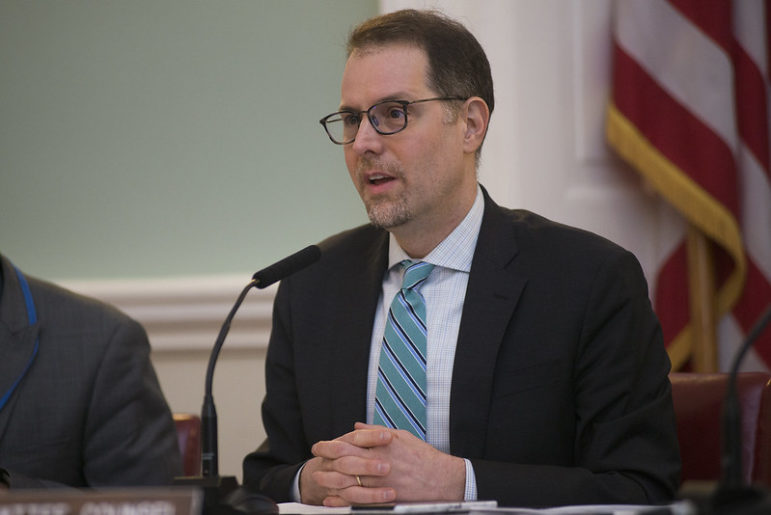
Council Bills Could Pave the Way for a Public Bank in NYC
By Sadef Ali Kully, City Limits – The NYC City Council is considering measures that would scrutinize the city’s relationship with corporate banks and other financial entities—disclosures that could pave the pathway to creating a municipal public bank in the future. “Today we are taking a big step forward by introducing legislation which will give us the critical information we need to move ahead in this project—clear reporting on just where all of our money is sitting right now.”

In pandemic spotlight, public banks ponder a greener role
By Thomson Reuters Foundation, Eco-Business – Limping along after a Covid-19 body blow, the global economy needs investment by public development banks more than ever, and shifts in how they do business could set a precedent for a greener, more equitable future. From ending support for fossil fuels to expanding debt relief and protecting the rights of local communities affected by development projects, public bank decisions could spur sustainability.

2019 Census Data Shows Poverty Was On The Decline In Pre-Pandemic New Mexico
By NM Voices for Children, Los Alamos Reporter – Data released Thursday by the U.S. Census Bureau show a significant improvement in the poverty rate in New Mexico between 2018 and 2019. That tracks with an increase in the median income during that timeframe. However, the data show little progress for children younger than 5, and inequities continue to persist along racial and ethnic lines.

To Provide Public Alternative to ‘Predatory’ Wall Street Banks, Sanders and Gillibrand Unveil Postal Banking Act
By Jake Johnson, Common Dreams – With the goal of providing a robust public banking alternative to abusive Wall Street institutions, Sens. Kirsten Gillibrand and Bernie Sanders unveiled legislation Thursday that would make “low-cost basic financial services” available at tens of thousands of U.S. Postal Service locations across the country.

Farming Without Rain
By Leah Cantor, Santa Fe Reporter – The US Department of Agriculture earlier this month reported 29.3% of the state is experiencing extreme drought conditions. Low snowpack, drought, extreme heat, fire and COVID-19 compounded the challenges facing farmers this season and spurred growers to think about how these traditional agricultural communities can adapt to future change.

Why Are Two Community Banks from Across the Country Merging?
By Oscar Perry Abello, Next City – What happens when two otherwise financially healthy community banks from across the country merge, willingly, to form a national bank? The residents of Black communities and other historically disinvested communities in Los Angeles and Washington, D.C. will have their chance to find out, with the announcement of a merger between Broadway Federal Savings Bank in Los Angeles and City First Bank of D.C.

For Small Farms Surviving the Pandemic, Co-ops Are a Lifeline
Lisa Held, Civil Eats – Since the pandemic disrupted agriculture supply chains and changed how most Americans eat, a number of small farms around the country have been working collaboratively. As of yet, there is no formal count of the number of farms banding together to sell their goods, but it’s taking place all over the country—from New Mexico to Massachusetts to North Carolina.

Congressional panel examines environmental justice issues in New Mexico
By Kendra Chamberlain, The NM Political Report – “Low-income communities, especially people of color, are impacted by toxic pollution. Children, the elderly and women—especially women of color—are paying the highest price from pollution as a result of increased work and health problems, and economic devastation.”
No Results Found
The page you requested could not be found. Try refining your search, or use the navigation above to locate the post.

Episode: Everyone deserves a public bank

“I had the good fortune to work on this initiative before Bernie kidnapped all my time. This is one of those no-brainer initiatives that only the 1% could oppose. It has the potential to save the state millions of dollars by vastly reducing the cost of its bonds to improve infrastructure funding. in a public bank, our state funds can be used to build our local economy and our local infrastructure.”
– Paul Gibson
Retake Our Democracy