
Press Room & Media
In the News
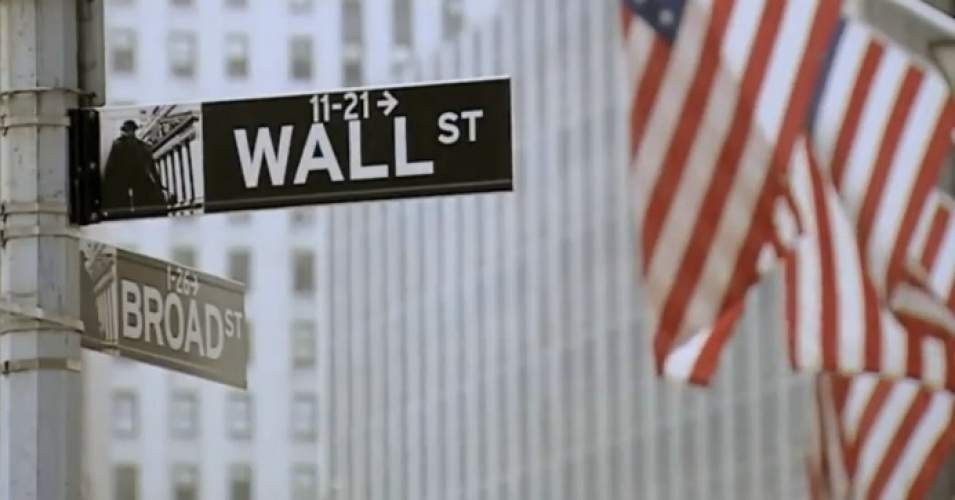
Crushing the States, Saving the Banks: The Fed’s Generous New Rules
Ellen Brown, Common Dreams – If there is a silver lining to the COVID-19 pandemic, it is that the Fed’s relaxed liquidity rules have made it easier for state and local governments to set up their own publicly-owned banks, something they should do post haste to take advantage of the Fed’s very generous new accommodations for banks.

Opinion: Recovering from Covid-19 With Public Banking
By Rick Girling, Post News Group – The response to COVID-19 has laid bare, once again, the glaring economic inequalities we live with every day. An essential new institution is public banking — new to most of us in America, but a proven institution globally for the past few hundred years.
Report: Fewer Small Businesses are Receiving Federal Relief Loans in States Dominated by Big Banks
Stacy Mitchell, Institute for Local Self-Reliance – A significantly larger number of federal relief loans in response to the COVID-19 economic fallout are reaching small businesses in states where small, local banks comprise a greater share of the market, compared to states where big banks are more dominant.

Maryland can prevent a year-long health crisis from becoming a decade-long economic crisis
Michael Brennan, The Washington Post – Maryland’s state budget faces an existential crisis as a result of the novel coronavirus pandemic. To avoid economic catastrophe, MD Gov. Hogan must solve the state budget crisis by taking three actions: (1) demanding unconditional federal relief, (2) borrowing from the Federal Reserve and (3) establishing a state public bank.
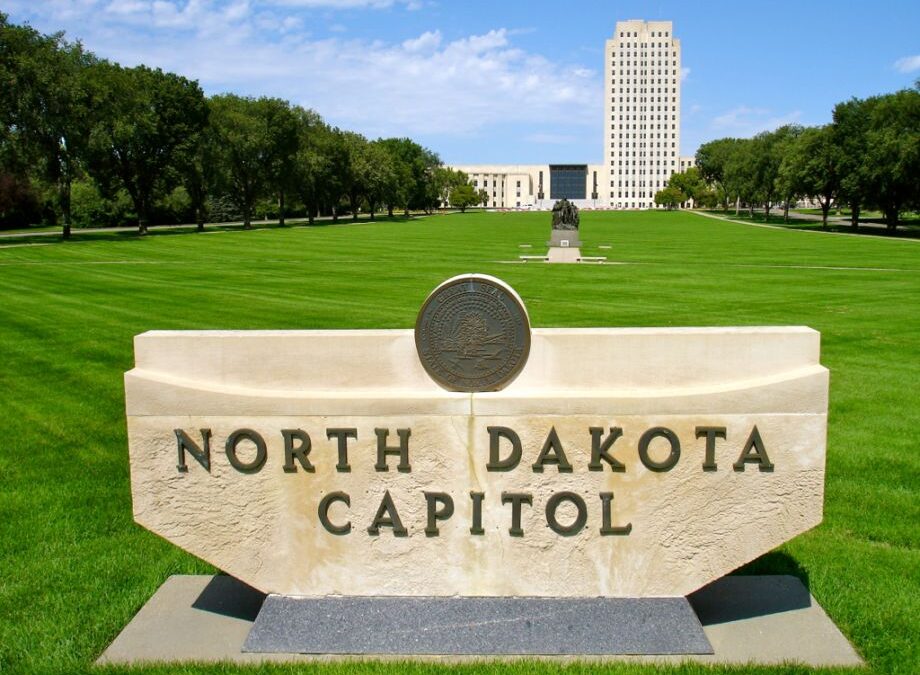
To Keep the Economy Afloat, the Fed Turns to North Dakota
Oscar Perry Abello, Next City – Bankers generally don’t like surprises. But as CEO at the Bank of North Dakota, the only state-owned bank in the country, Eric Hardmeyer was pleasantly surprised to see the Federal Reserve taking a page out of his institution’s playbook to help deal with the unprecedented economic disruption from the COVID-19 pandemic.

We Need Ethical Banking In The Era Of COVID-19
Nizan Geslevich Packin, Forbes – In the current environment of medical and economic uncertainty, we all find ourselves desperately seeking safety and stability. In such times of uncertainty, cash is king. And who are those fortunate enough to be trusted with that cash? Big banks. We must be weary of big banks. They are not entities striving to maximize social welfare. Instead, they are for-profit institutions.

Just, Equitable, and Regenerative Recovery with Public Banking
Debbie Notkin, Post News Group – The COVID-19 crisis is shining a bright and unforgiving light on the glaring economic and racial inequalities we live with every day. Public banking is a major step toward a more just and equitable world. Public banks will return us to banking–risk-averse, sensible banking practices focused on realistic projects that build communities.

Small Business Rescue Earned Banks $10 Billion In Fees
NPR Morning Edition – Banks handling the government’s $349 billion loan program for small businesses made more than $10 billion in fees — even as tens of thousands of small businesses were shut out of the program, according to an analysis of financial records by NPR.

New Start-Ups Face Tough Times
Kevin Robinson-Avila, Albuquerque Journal – The economy is taking a far worse beating from COVID-19 than it did in the recession. But his time New Mexico’s venture investment ecosystem is far more mature and stable than during the recession. Still, early stage startups may be facing difficulties, since most venture firms will wait until the coronavirus dust clears before considering new investments.
Financing Needs Persist as Crisis Drags On
Pilar Martinez, Albuquerque Journal – While medical professionals do battle with COVID-19 in hospitals and nursing homes, bankers and lenders have found themselves on an economic frontline, helping businesses navigate uncertain futures under public health restrictions and closure orders. Several financial experts say lenders are generally better equipped to handle their clients’ needs than they were the last time a major financial struck.
No Results Found
The page you requested could not be found. Try refining your search, or use the navigation above to locate the post.

Episode: Everyone deserves a public bank

“I had the good fortune to work on this initiative before Bernie kidnapped all my time. This is one of those no-brainer initiatives that only the 1% could oppose. It has the potential to save the state millions of dollars by vastly reducing the cost of its bonds to improve infrastructure funding. in a public bank, our state funds can be used to build our local economy and our local infrastructure.”
– Paul Gibson
Retake Our Democracy